
Hilton Head Island Short-Term Rentals: Advantages, Disadvantages, Weather and Local Amenities
Have you ever considered owning a short-term rental on Hilton Head Island?
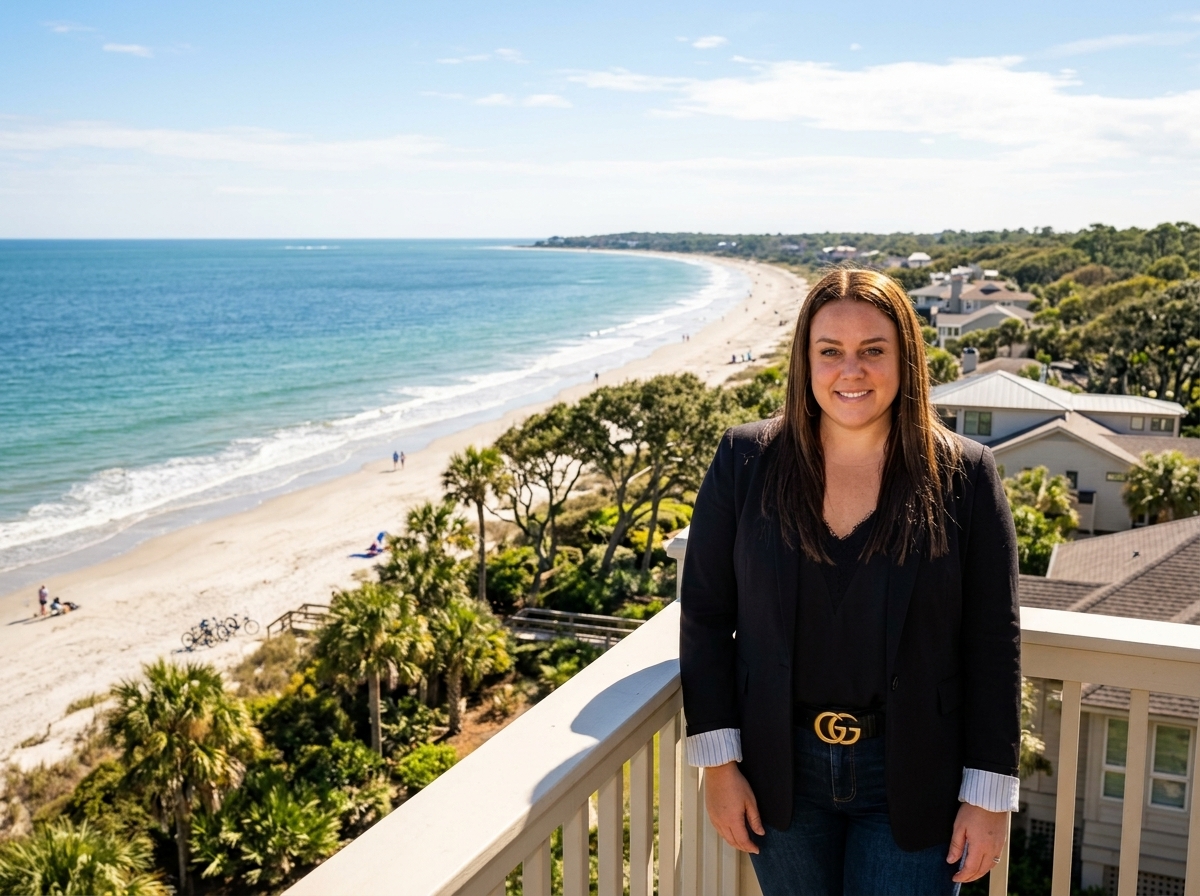
Here's what Theresa Pavone, a seasoned luxury advisor in real estate since 2007 who leads Next Move Carolinas in Charlotte and Hilton Head, says about investing on the island.
Hilton Head rewards investors who run their rental as a business. Pick the right community, confirm the home can be rented, hire professional management, and underwrite with realistic numbers that include permit fees, taxes, HOA costs and insurance.
Do that, and the island gives you demand across most of the year. Here's my full picture: what works, what to plan for, the weather, and what guests come for.
What makes Hilton Head work
Demand and revenue
- An established tourism base. Roughly 2.5 to 2.8 million visitors come each year, and short-term rentals are now the most-booked type of accommodation on the island.
- A top-tier market. National STR data places Hilton Head in roughly the top 15% of US markets for revenue and the top 22% for average daily rate.
- High nightly rates. Rates range from about $140 for a studio to $850 or more for a premium 5-bedroom oceanfront home. Island-wide blended estimates run $260 to $490, depending on the data source.
- Big-home upside. Homes with 5 or more bedrooms and a pool commonly gross $60,000 to $100,000 or more. Direct oceanfront in Sea Pines or Forest Beach can reach $200,000 to $400,000 or more in strong years.
- Guests who come back. Many families return to the same community every year, especially Palmetto Dunes and Sea Pines. Prime homes often book the full summer by March.
- Pricing power. Reported supply growth has been matched by rising rates, which suggests demand is keeping pace with new inventory.
- Many reasons to book. Beach, golf, tennis, cycling, boating, weddings, reunions and event weeks all bring guests in.
Climate and season
- A long beach season. Warm weather and swimmable water run roughly from April or May through October, much longer than most East Coast beach markets.
- Mild winters. Average winter highs sit in the upper 50s to low 60s °F, and hard freezes are rare. Golf, biking and walking work all year, which supports off-season, snowbird and extended stays.
- Prime shoulder seasons. Comfortable temperatures and lower humidity make March to May and September to October strong for golf groups, couples and retirees, with smaller crowds.
- Event weeks. The RBC Heritage PGA Tour event, every April the week after the Masters, is a major annual pricing opportunity.
- Outdoor living. Guests spend their days on the beach, the bike paths and the water, so you depend less on indoor attractions.
Location and amenities
- Nature everywhere. 12 miles of hard-packed Atlantic beach, maritime forest, tidal creeks, wildlife refuges and dolphins.
- A bikeable island. More than 60 miles of paved pathways connect beaches, shopping and communities, a big selling point for families and guests who'd like to park the car.
- Golf. Roughly 20 to 25 courses, including Harbour Town Golf Links and the Robert Trent Jones Oceanfront Course.
- Entertainment within reach. Coligny Plaza, Harbour Town and Shelter Cove Harbour give guests dining, shopping and live entertainment without leaving the island.
- Family programming. A children's museum, mini golf, stables, family concerts, kayak tours and camps.
- Culture and history. Gullah Geechee heritage and Lowcountry history appeal to guests who travel for authentic experiences.
- Easy to reach. Savannah/Hilton Head International (SAV) is about 45 to 60 minutes away. The on-island Hilton Head Island Airport (HHH) has year-round American Airlines service from Charlotte and Atlanta, and Charleston is just over 2 hours by car. Much of the Southeast can drive here.
- Day trips that lengthen stays. Savannah, Bluffton, Daufuskie Island and Pinckney Island.
Asset fundamentals
- Limited land. A barrier island with strict development controls supports long-term values.
- Steady appreciation. About 5% average annual appreciation over the past decade. The typical home value is around $766,000 (Zillow, January 2026).
- Income plus appreciation, with the option to use the home yourself as a second home.
- More choice for buyers now. Inventory is up roughly 18% year over year, which gives buyers more selection and leverage.
- Exit options. You can pivot to a mid-term or long-term rental, or sell into a deep pool of second-home buyers.
Operations and financing
- Established local management. Licensed STR managers, typically at 20% to 25% of gross, make hands-off ownership realistic.
- Flexible financing. DSCR loans, bank-statement loans, condotel and non-warrantable condo options, and HELOC strategies are all available.
- Possible tax advantages. South Carolina's tax environment, plus depreciation and cost-segregation opportunities. Confirm with your CPA.
What you need to plan for
Regulation and compliance
- Tighter rules. The Town's STR program expanded significantly in 2025 and 2026: a permit, a business license, new safety and parking requirements, more enforcement staff and a 24/7 complaint hotline.
- Rising permit costs. The Town moved toward a per-bedroom annual fee, reported at $150 per bedroom, replacing the flat $250. It affects larger homes most, so confirm the final adopted fee with the Town.
- Annual deadlines. The permit and the Town business license renew each year (April 30 deadline), and permits are non-transferable.
- Safety and property requirements. Fire suppression or a monitored alarm for homes of 3,600 square feet or more, a 6-vehicle parking cap, propane grill shut-off valves, and site plans for single-family homes.
- A 24/7 local agent. An owner or manager must be reachable and able to respond on site within about 60 minutes.
- Layered rules. Town rules sit on top of HOA and POA rules, such as Sea Pines CSA registration and Palmetto Dunes POA registration. Some communities prohibit rentals entirely, Port Royal Plantation among them.
- Ongoing change. Rules can keep changing, enforcement is increasing, and repeat complaints can bring penalties.
Costs and margins
- Stacked lodging taxes. Roughly 11% in total: 7% state, 3% local accommodations and 1% county. The local portion often requires manual filing.
- High operating costs. Management, cleaning and linens, utilities, pool service, landscaping, insurance and salt-air maintenance.
- Insurance. Coastal wind, hurricane and flood coverage can be expensive, and premiums or availability can change.
- HOA and gate fees. Gated plantations carry higher dues and gate-pass costs. Non-gated Forest Beach avoids most of this.
- A high entry price. Typical homes are around $766,000, oceanfront runs $1.8 million to $10 million or more, and condos start at roughly $350,000. Strong gross revenue can still mean a modest net yield.
Weather and environment
- Hurricane season. It runs June 1 to November 30, with risk rising from August and peaking in fall. Direct hits are infrequent, but one storm can mean evacuation orders, cancellations, lost bookings and property damage.
- Flood and storm surge. Low-elevation lots, tidal creek and marsh frontage, and heavy-rain flooding can affect insurance, property condition and access.
- Summer heat. July and August highs are in the upper 80s to low 90s °F, with high humidity and a UV index around 10. Afternoon thunderstorms are common and can interrupt beach days.
- Cooler winter water. The ocean drops to roughly the mid-50s °F in winter, so beach demand is thinner from December to March.
- Bugs and salt air. Humidity, mosquitoes, no-see-ums and salt air add maintenance and can show up in guest reviews if you don't manage them.
- Long-term climate risk. Sea-level rise and storm intensity are ongoing considerations for insurance and values.
Market and performance
- Seasonality. Peak performance is concentrated roughly from April to August. Winter months can be slow, at lower rates.
- More competition. Roughly 4,300 to 4,500 or more active listings and fast supply growth. Some sources put island-wide average occupancy in the high 30s, in percent.
- A wide spread in results. Reported average annual revenue ranges from about $38,000 to $69,000, depending on the source. Location, size, amenities and management quality create big gaps between top and average listings.
- Economic sensitivity. Vacation travel is discretionary and can soften with recessions, high gas prices or low consumer confidence.
- Platform dependence. Airbnb and Vrbo algorithms, fees and policy changes all matter, and reviews directly affect bookings.
Local logistics
- Traffic. The island has limited bridges and main corridors (William Hilton Parkway, Cross Island Parkway). Summer and event-week congestion affects the guest experience and turnover logistics.
- Gated-community friction. Guest passes, gate check-in and restrictions can complicate self check-in and access for cleaners and vendors.
- Neighbor friction. Noise, parking and trash complaints drive regulation and enforcement.
- Wear and tear. Heavy turnover speeds up maintenance, furniture replacement and refresh cycles.
- Condo and condotel limits. Narrower lender options and, in some buildings, rental programs that limit owner control.
The weather, season by season
Hilton Head has a humid subtropical climate, moderated by the Atlantic and the Gulf Stream. These are approximate ranges drawn from several weather sources.
- Winter (December–February): highs in the upper 50s to low 60s °F, lows in the upper 30s to 40s. Hard freezes are rare, and the ocean sits around 50 to 60°F. Best for golf, biking, walking, quiet beach stays and snowbirds.
- Spring (March–May): highs from the mid-60s up to the upper 70s or low 80s, lows in the 50s to 60s. Lower humidity, and April is usually among the drier months. Strong for golf, weddings and the RBC Heritage.
- Summer (June–August): highs in the upper 80s to low 90s, lows in the low 70s, high humidity and a UV index around 10. The ocean runs from the mid-70s to the low 80s, warmest in August. Afternoon thunderstorms are common and usually brief. Peak family beach season.
- Fall (September–November): September still feels like summer, with highs in the low to mid 80s and warm water. October highs sit near 72 to 80 with comfortable humidity, and November cools into the 60s. Fall is the peak hurricane window, and also a favorite with couples and retirees.
Hurricane season, and how I'd prepare
The official season runs June 1 to November 30. Hilton Head has established evacuation protocols, and direct hits are less frequent than the length of the season suggests. Storms can still disrupt bookings and cause damage.
My advice: carry proper wind and flood coverage, set a hurricane cancellation policy for guests, agree on a storm-prep plan with your manager, and build insurance into your numbers from day one.
What the weather means for bookings
- Highest demand: roughly April to August, with June and July at the peak and a strong April driven by golf and the RBC Heritage.
- Shoulder months: May and September to October offer strong value-priced stays and often steady occupancy.
- Low season: roughly December to February. Go after snowbird and extended stays, golf packages, holiday weeks and mid-term rentals to fill the gaps.
- What guests notice: a pool (a heated one even more), covered or screened outdoor space, and air conditioning they can count on.
What guests do on the island
Beaches and water
- 12 miles of hard-packed beach, great for walking, biking and running at low tide.
- Coligny Beach Park, the most popular public beach, with free access, restrooms, and dining and shopping next door. Metered parking applies.
- Tidal pools at low tide (starfish, sand dollars), shelling and dolphin spotting.
- Kayaking and paddleboarding (including Calibogue Sound from Broad Creek Marina), parasailing, jet skis, fishing charters, sunset and dolphin cruises, and catamaran sails.
- Marinas and waterfront dining at Shelter Cove Harbour and Harbour Town Yacht Basin, plus about 11 miles of calm-water kayaking in the Palmetto Dunes lagoons.
Golf and tennis
- Roughly 20 to 25 courses, including Harbour Town Golf Links in Sea Pines (a Pete Dye design and home of the RBC Heritage each April), the Robert Trent Jones Oceanfront Course in Palmetto Dunes, Shipyard Golf Club, Hilton Head National and Golden Bear Golf Club.
- Tennis, pickleball and racquet clubs in Sea Pines, Palmetto Dunes and Shipyard.
- Mini golf for families: Adventure Cove, Pirate's Island and Legendary Golf.
Biking, parks and nature
- More than 60 miles of paved public pathways, with bike rentals across the island (Sea Pines, South Beach and the Cross Island area).
- Pinckney Island National Wildlife Refuge, for hiking and birding on the way onto the island.
- Sea Pines Forest Preserve, with elevated boardwalks, wildlife and a Native American shell ring site, plus Audubon Newhall Preserve and other trails.
- Alligators (seen from a distance), dolphins and shorebirds.
- Daufuskie Island, a short boat ride away, with historic and Gullah Geechee sites.
Family, dining and culture
- The Sandbox children's museum, Coastal Discovery Museum, Lowcountry Celebration Park, Bristol Sports Arena and Lawton Stables.
- Gregg Russell family concerts and live music at Harbour Town and Shelter Cove.
- Coligny Plaza, with more than 60 shops and restaurants (Frosty Frog, Hilton Head Brewing Company, ice cream, a theater, beach boutiques) within walking distance of the beach.
- Harbour Town's waterfront dining and boutiques, and the red-and-white Harbour Town Lighthouse and Museum.
- Gullah Geechee heritage sites and tours, and Lowcountry seafood and Gullah-inspired cooking, with more dining and shopping in Old Town Bluffton nearby.
- Spas, fitness clubs, yoga and resort pools, plus community amenities in the gated plantations (access depends on the community and rental status).
Getting here and getting around
- By air: SAV is under an hour away, right off I-95. HHH, on the island, has a limited commercial schedule and is mostly general aviation.
- By car: under an hour from Savannah, just over 2 hours from Charleston, and an easy drive from Charlotte, Atlanta and much of the Southeast.
- On the island: a rental car is recommended, though golf carts, bikes, shuttles and rideshare help, and the Cross Island Parkway bypasses main-road traffic.
Who rents here, and what they look for
- Beach families: walkable beach access (Forest Beach, the Coligny area), a pool, bikes, and the Sandbox, mini golf and stables nearby.
- Golf groups: Sea Pines, Palmetto Dunes and Shipyard, close to the courses. Strong spring and fall demand, and a premium for RBC Heritage week.
- Couples: harbor and oceanfront views, sunset cruises, fine dining and spas, mostly in the shoulder seasons.
- Multi-generational trips, reunions and weddings: homes with 5 or more bedrooms, a pool, large outdoor space and room to gather.
- Active travelers: bike trails, kayaking, fishing and nature preserves.
- Retirees, snowbirds and remote workers: mild winters, reliable Wi-Fi, and mid-term stays of 30 days or more, which sit outside the Town's STR permit scope.
- Pet owners: a pet-friendly policy widens your market. Check beach and community rules first, since they vary by area and season.
My bottom line
Hilton Head rewards investors who treat it as a business. The island's climate, beaches, golf, bike paths and Lowcountry character create demand across the year. Hurricane exposure, tighter regulation and seasonality are the risks to plan around.
Choose the right community, confirm the home can be rented, hire professional management, and run your numbers with permit fees, taxes, HOA costs and insurance included.
Prefer a drive-to market close to the Northeast? Jim Arcidiacono covers the Delaware beaches, and our side-by-side lays the two markets out together.
A note on the numbers
Data as of November 2026. Revenue and rate figures are ranges from private data providers and vary by source. Weather figures are approximate; for precise climate normals see NOAA and the National Weather Service, and for storms the National Hurricane Center. Permit fees, deadlines and STR rules change, so confirm them with the Town of Hilton Head Island before you rely on them. Nothing here is tax or legal advice.
Sources
- Market data: AirROI, AirDNA, Airbtics and Getchalet (ranges vary by provider); Zillow home values, January 2026.
- Local rules: Town of Hilton Head Island short-term rental program.
- Communities and neighborhoods: Southern Coast Realty, John Campbell Real Estate, Collins Group Realty, Carolinas Luxury X, The Agency Hilton Head and Team Hilton Head.
- Attractions and travel: RedAwning, Islands.com, Time Out, TravelPulse, Wikivoyage, Yachting Magazine and local travel guides.
- Weather: compiled from travel and climate guides (approximate).

Theresa Pavone
Real Estate Advisor · Next Move Carolinas
Theresa Pavone is a Luxury Real Estate Advisor, multi-million dollar producer, and Team Leader known for delivering a refined, results-driven approach to real estate across Charlotte, North Carolina and Hilton Head Island, South Carolina. With a career that began in 2007 and a strong foundation in new construction, Theresa brings a strategic perspective and elevated level of service to every client experience.
Specializing in South Charlotte’s most sought-after communities—including Weddington, Marvin, Ballantyne, and SouthPark—Theresa is recognized for her concierge-level approach, strong negotiation skills, and ability to navigate complex transactions with confidence and discretion. Her deep understanding of the luxury market allows her to guide clients through high-value decisions with clarity and precision.
As a Luxury Certified agent and member of Keller Williams Sports + Entertainment, Theresa has built a reputation for successfully representing high-net-worth individuals, including professional athletes, entertainers, and industry professionals. Through her extensive network, she provides clients with access to exclusive opportunities, including off-market properties and strategic investment opportunities not widely available to the public.
In her role as Team Leader of Next Move Carolinas, Theresa is committed to elevating the client experience while mentoring and developing agents who share her standard of excellence. Her leadership is rooted in professionalism, integrity, and a collaborative approach that ensures every client receives exceptional service and results.
With strong ties to both Charlotte and Hilton Head Island, Theresa offers a unique perspective for clients navigating relocation, second-home purchases, and lifestyle-driven real estate decisions. She understands that buying or selling a home is not just a transaction—it’s a significant life move—and she approaches each opportunity with intention, strategy, and care.
Above all, Theresa is a proud mother to her son, Anthony, who has been part of her real estate journey from the very beginning. Her loyalty, dedication, and relationship-first approach are at the core of everything she does—guiding her clients with trust, consistency, and a long-term perspective.
Not sure which strategy fits?
Take the investor quiz and get pointed toward the rental strategy that matches your goals — then talk it through with a KW agent who invests for a living.